
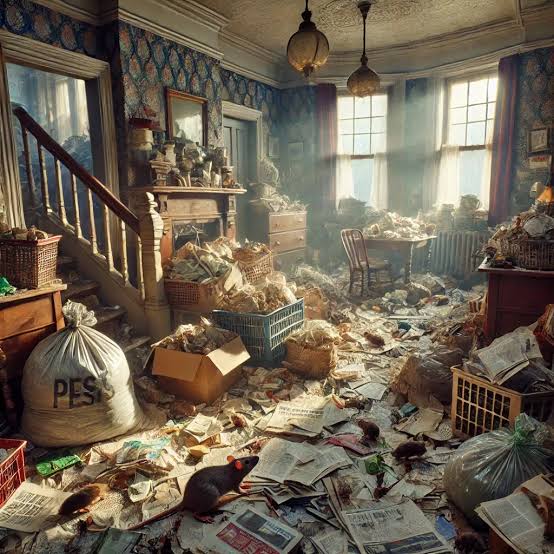
What Should Landlords Do When a Property Has Pest Infestation and Hoarding?
Hoarding and pest infestations can create serious difficulties in rented properties. Accumulated belongings may restrict access, conceal signs of pests and make treatment harder. Food waste, damaged packaging or poor sanitation can also attract rodents and insects. However, hoarding does not automatically mean a property has pests, and an infestation should never be blamed on a tenant without investigating its cause.
Hannah from Lily’s Lady’s Cleaning Services says “Landlords and housing providers need to respond to the hazards while respecting the tenant’s home, possessions and circumstances. This guide focuses primarily on residential properties in England; housing law and procedures differ elsewhere in the UK.”
Start With a Proportionate Inspection
A report of mice, cockroaches or bedbugs should be acknowledged promptly. Ask what has been seen, where and when. Photographs supplied voluntarily by the tenant may help, but do not demand that someone enter unsafe or inaccessible areas to obtain them.
Arrange an inspection by agreement, giving the notice required for the proposed visit. In England, landlords normally give at least 24 hours’ notice for inspections under relevant statutory access rights, at a reasonable time. That notice is not permission to force entry against a tenant’s wishes. Genuine emergencies require a different assessment.
Record visible evidence such as droppings, gnawing, insect activity, food waste and damaged building fabric. Note blocked exits, restricted access to electrical equipment, plumbing problems and possible fire hazards. Keep records factual, proportionate and respectful of privacy.
Identify the Pest and Its Likely Source
Different pests require different responses. Rats and mice may enter through gaps around pipes or damaged building fabric. Cockroaches can exploit warmth, food and concealed spaces. Bedbugs may spread through belongings, adjoining properties or travel, and are not proof of poor hygiene.
A qualified pest controller can identify the species, assess the extent of activity and recommend treatment and proofing. One sighting does not always establish a widespread infestation, but it should not be ignored. Repeated sightings, droppings, nesting material or live insects may justify further investigation.
Look beyond the individual flat. Communal bin stores, service ducts, neighbouring homes and poorly maintained grounds may be relevant. Treating one room without addressing the entry route or source can allow the problem to return.
Understand the Landlord’s Responsibilities
In England, landlords have obligations relating to repair and fitness for human habitation. Local authorities can assess relevant housing hazards using the Housing Health and Safety Rating System. Whether a landlord must pay for pest treatment depends on the cause, property condition, tenancy terms and applicable law.
For example, an unresolved hole in an external wall or defective drainage may point towards a repair obligation. An infestation present before occupation also needs careful consideration. Conversely, tenant behaviour may contribute to conditions that attract pests, but responsibility should not be assigned before the evidence is reviewed.
Avoid promising tenants that all pest treatment is automatically free or insisting that every infestation is their fault. If liability is disputed, obtain appropriate housing advice and focus first on controlling significant risks.
Recognise Hoarding as a Potential Support Need
Hoarding is not simply having a cluttered home. Hoarding disorder can involve persistent difficulty discarding possessions, distress and a substantial impact on living spaces. A landlord should not diagnose a tenant or assume that clutter proves a mental health condition.
Discuss observable problems instead: blocked escape routes, inaccessible sinks, food waste or areas that cannot be treated safely. Ask what help the tenant may accept and whether a trusted support worker or representative should be involved.
A tenant’s circumstances may engage duties under the Equality Act 2010, including reasonable adjustments where applicable. Serious welfare concerns may justify seeking advice from adult social care or safeguarding services, but a referral should be proportionate and based on actual concerns rather than hoarding alone.
Deal With Immediate Fire and Safety Hazards
Large accumulations of possessions can increase combustible material and obstruct escape routes. Where exits are blocked or electrical equipment cannot be accessed safely, explain the risk clearly and prioritise practical changes. A local fire and rescue service may offer a home fire safety visit or advice, depending on its arrangements.
If there is an immediate threat to life, contact emergency services. Otherwise, develop a sensible plan that addresses the highest risks first rather than demanding that every belonging is removed at once.
Create a Joined-Up Pest Treatment and Clearance Plan
Pest control and specialist cleaning often need to be coordinated. A pest controller may need safe access to inspect and treat areas that are currently obstructed. Cleaning contractors may need to remove food waste, contaminated materials or damaged furnishings before treatment can be effective.
Agree the scope with the tenant where possible. Start with access routes, kitchens, bathrooms, heating equipment and affected rooms. Break larger tasks into manageable stages and document who is responsible for each step. Follow-up inspections help establish whether pest activity has reduced and whether proofing repairs have worked.
Not every item in a hoarded home is rubbish. Important documents, medication, photographs and valuable possessions should be identified and protected. Do not remove or dispose of belongings without proper consent or legal authority. A rushed forced clearance can create distress, conflict and legal risk.
Handle Contamination and Waste Safely
Rodent droppings, urine, dead pests, spoiled food and other contaminated materials may require controlled cleaning. Avoid dry sweeping or ordinary vacuuming of suspect droppings where that could disperse dust. Cleaning methods, protective equipment and any disinfection should be selected following a suitable risk assessment.
Waste is not automatically hazardous simply because it comes from a hoarded property. Classification depends on its contents and risks. Contractors arranging waste removal must use appropriate storage, carriers and documentation where required. Check arrangements for sharps, chemicals and other unexpected hazards separately.
Some porous furnishings or building materials may need replacing if contamination cannot be effectively removed. Others may be cleanable. The decision should reflect the material and actual condition, rather than a blanket instruction to discard everything.
What if the Tenant Refuses Access or Help?
Refusal can be frustrating, but landlords should not change locks, enter without lawful authority or remove possessions as a shortcut. Explain the specific concern in writing, offer reasonable appointment options and record attempts to agree access.
Where essential repairs, inspections or treatment cannot proceed, seek specialist housing advice about the available legal options. Possession proceedings are not automatic, and the correct grounds, evidence and procedures depend on the circumstances. In England, older advice about section 21 notices is no longer appropriate for ordinary private assured tenancies following the 2026 reforms.
Where serious hazards remain, the local council’s housing or environmental health team may be able to assess the property and consider its statutory powers. Their involvement does not remove the need for landlords to follow the law.
Keep Clear Records and Review Progress
Maintain a dated record of complaints, inspection findings, tenant communications, pest-control reports, repairs and agreed clearance work. Use photographs only where necessary and handle personal information appropriately. Keep invoices and waste paperwork where relevant.
Check insurance terms before assuming treatment or damage will be covered. If considering a tenancy deposit deduction, distinguish fair wear and tear from evidenced loss and use the appropriate deposit scheme process. Avoid imposing costs on a tenant without a clear legal basis.
Frequently Asked Questions
Is the landlord always responsible for pest control?
No. Responsibility depends on the cause of the infestation, property condition and applicable obligations. Landlords should investigate before deciding who must arrange or fund treatment.
Can a landlord evict someone for hoarding?
Hoarding alone does not give an automatic right to eviction. Any possession action must use a lawful process, with relevant evidence and consideration of disability-related obligations where applicable.
Should a landlord clear a hoarded property immediately?
Usually not. Address urgent dangers promptly, but agree a phased plan for other possessions. Do not dispose of belongings without consent or proper legal authority.
Can pests spread to neighbouring homes?
Yes, some infestations can affect adjoining properties or shared spaces. Building-wide inspection and coordinated treatment may be needed, particularly in blocks of flats.
Final Thoughts
When hoarding and pest infestation occur together, the most effective response combines evidence-based pest control, necessary building repairs, practical safety measures and respectful communication. Establish the hazards and their causes, involve the right specialists and give the tenant a realistic opportunity to cooperate.
This article provides general information rather than legal advice. Landlords dealing with contested access, serious hazards or potential possession proceedings should obtain advice specific to the property and jurisdiction.


